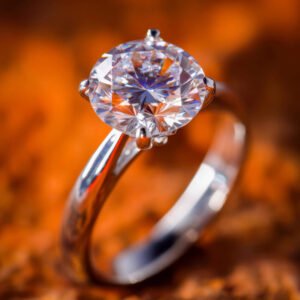
Discover Diamonds

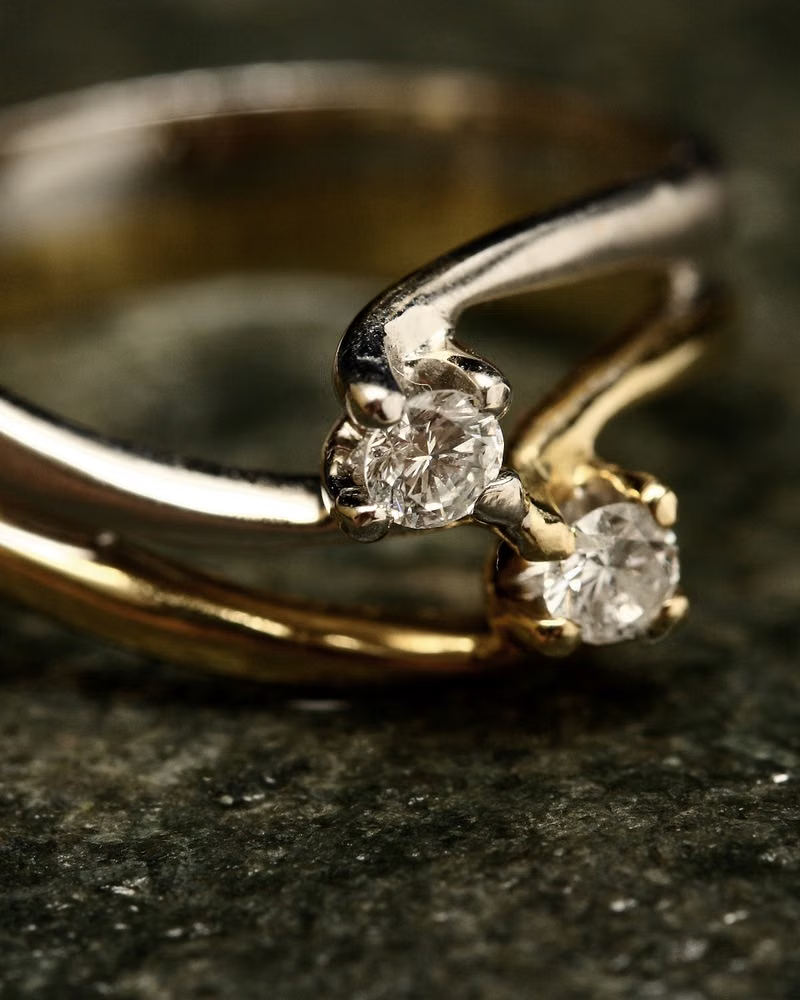
A World Within a Diamond.

Enough to choose confidently, without becoming a gemmologist. What actually changes how a diamond looks, and what matters less than you have been told.
Our Philosophy

Cut first. Everything else second.

A diamond graded highly for colour and clarity but cut poorly will look dull. A well-cut stone one or two grades lower will out-perform it in every light. We would rather set a smaller, better-cut diamond than a larger, lazier one, and we will always say so.
This is also why we do not publish a stone list. The right diamond depends on the setting it is going into, and on you.
The Four Cs

Four measures, in order of consequence

I

Cut

How well the stone was shaped and polished. The only one of the four the cutter controls, and the one that decides whether a diamond looks alive.

II

Colour

Graded from colourless downwards. In a white metal setting the difference between neighbouring grades is very hard to see.

III

Clarity

Natural inclusions formed as the stone grew. What matters is whether they are visible to the eye, not what the certificate says.

IV

Carat

Weight, not size. Two stones of equal weight can look quite different depending on how they were cut.
The Four Cs

Eight shapes, eight characters

Shape is the decision people change their minds about most. It is worth seeing several in person before you commit.
01

Round

The most efficient shape for returning light. The safe choice, in the best sense.
02

Oval

Reads larger than its weight and lengthens the finger. Watch for the bow-tie shadow.
03

Emerald

Long step facets give flashes rather than sparkle. Quieter, more architectural.
04

Cushion

Softened corners and a deep, warm brilliance. Forgiving to wear daily.
05

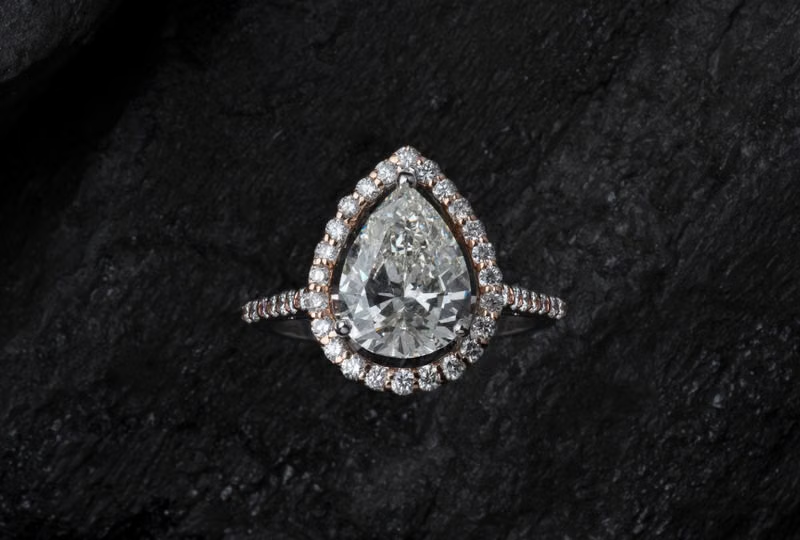
Pear

Directional and elegant. Needs a setting that protects the point.
06

Marquise

Maximum spread for the weight. Dramatic, and rewarding on a slim hand.
07

Princess

Square with sharp corners and a crisp, contemporary sparkle.
08

Radiant

The outline of an emerald cut with the facet pattern of a round. A useful compromise.
Natural and Lab-Grown

The same material, formed differently.

Chemically and optically, a lab-grown diamond is a diamond. The difference is where it formed and over what timescale, and that difference shows up in price and in resale rather than in appearance.
We set both, and we will tell you plainly which we think suits your budget and intention. Every piece states which it is, always.

Sourcing

Where our stones come from

We buy through a small number of long-standing suppliers rather than on the open market, which means we can trace each stone back through the chain. [Supplier and sourcing policy to be confirmed by the client — we have deliberately not written specific origin or ethical claims here.]
Certification

Independently graded

Every diamond we set above a stated weight is accompanied by an independent laboratory report, supplied with the piece. [Laboratory partners and the weight threshold to be confirmed by the client.]
Care

Keeping the light in

Most dullness is not damage, it is a film of hand cream and soap on the pavilion. Warm water, unscented soap, a soft brush, then dry with a lint-free cloth. Bring the piece to us twice a year and we will clean and check the settings.

Speak with a diamond specialist.

Bring your questions, or your budget, or a photograph of something you liked. We will start wherever is most useful.